The Return of Expressive Interiors
June 12, 2026 | FW Decor | By Kai Truong
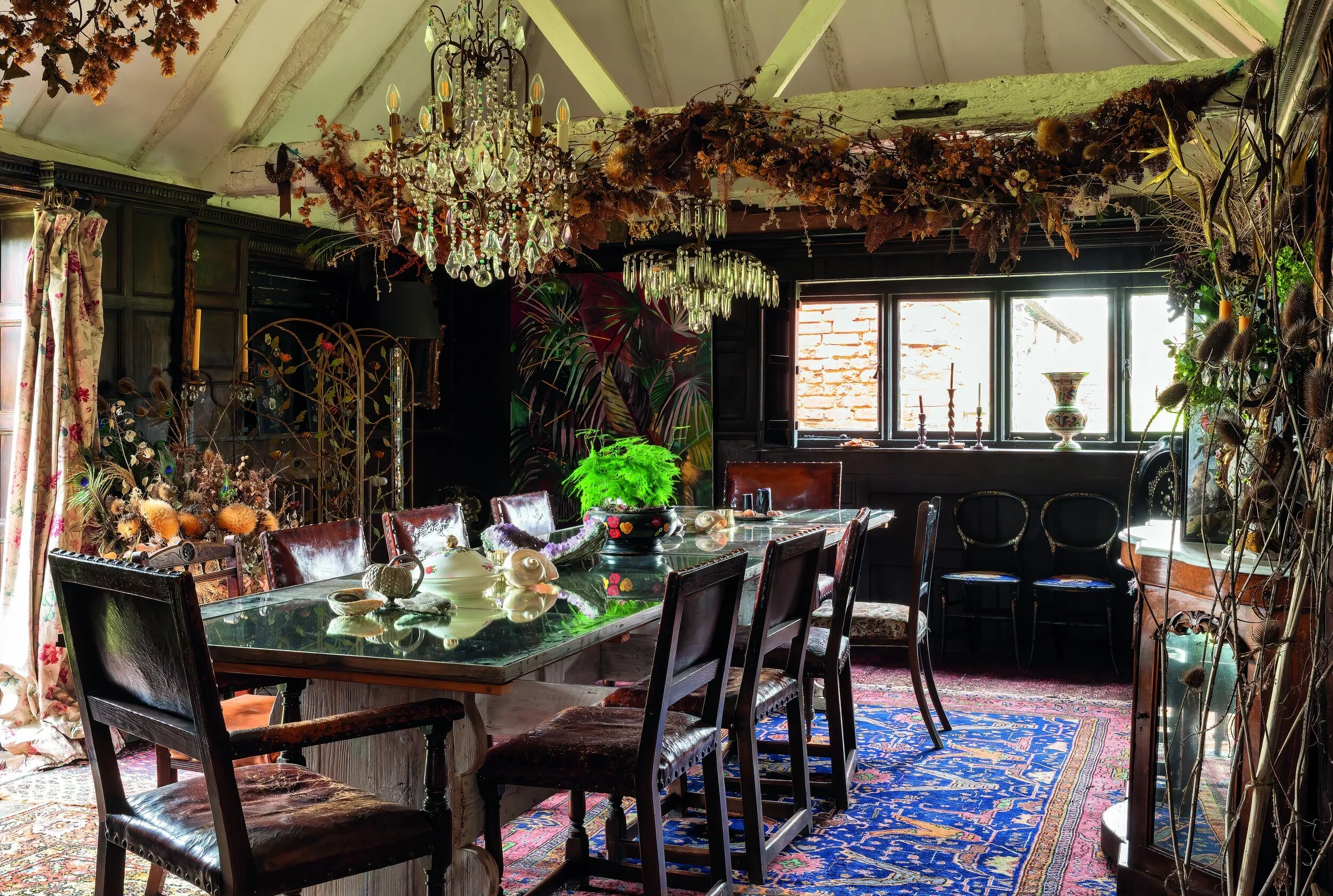
For years, the ideal modern interior was defined by restraint: white walls, pale wood, clean lines, soft neutrals, and carefully empty surfaces. Minimalism promised calm, simplicity, and control. At its best, it created beautiful spaces where light, architecture, and quality materials could stand out. Yet over time, the same neutral rooms began repeating across social media feeds, showrooms, and staged homes. What once felt refined started to feel predictable.
In 2026, interiors are beginning to speak again.
The return of expressive interiors is not simply about adding more colour or pattern. It reflects a wider desire for spaces that feel personal, emotional, and genuinely lived in. Modern interiors are becoming warmer, richer, and more individual, with layered materials, statement furniture, collected objects, artwork, vintage pieces, and colours chosen for the feelings they create. The home is no longer expected to be a blank, flawless background. It is becoming a reflection of the person living within it.
Expressive design does not mean that every interior needs to be bold or maximalist. A room can remain sophisticated and calm while still revealing character. A sculptural lamp, a handwoven textile, a favourite painting, an inherited object, or a dramatic material choice can tell a story. These details make a home memorable because they are connected to identity, memory, culture, and experience.
This shift feels especially important in the current moment. Our lives are surrounded by digital content, online trends, and algorithm-driven inspiration. We see more homes than ever before, yet many appear increasingly similar: the same neutral palette, the same curved sofa, the same carefully styled coffee table. Social media has opened the world of design to more people, but it has also created pressure to make homes look instantly acceptable and photographable.
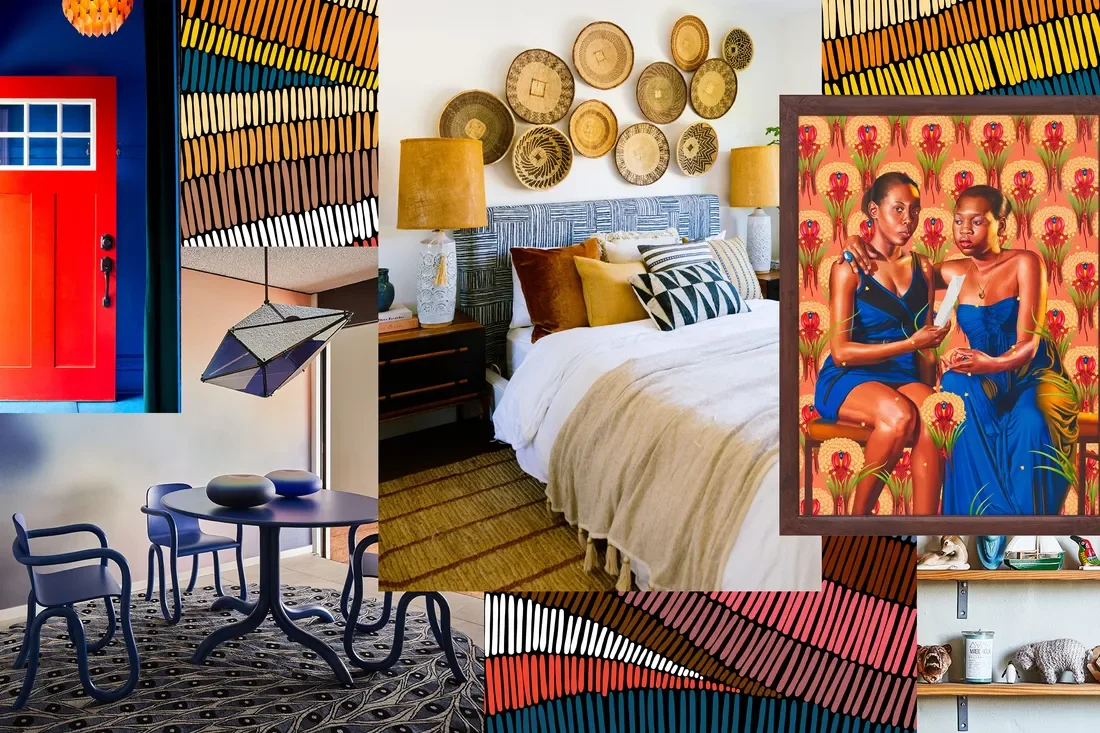
Expressive interiors challenge that pressure. They invite people to choose what they actually love rather than what is currently considered tasteful online. Instead of asking, “Will this look good on a feed?” people are beginning to ask, “Does this feel like me?” That change transforms design from a performance into something more personal and meaningful.
The desire for individuality is not limited to interiors. Across fashion, beauty, art, and lifestyle, people are becoming less afraid to show personality and less interested in fitting into one perfect aesthetic. There is growing value in being distinctive, sentimental, playful, culturally connected, or unconventional. Interiors naturally become part of this movement because home is one of the most intimate places where identity can be expressed.
For one person, an expressive home may include deep colour, layered textiles, and dramatic lighting. For another, it may be a minimal space enriched with family photographs, handmade ceramics, meaningful books, or art connected to heritage. Individuality does not need to be loud. It simply needs to be honest.
The return of expressive interiors also responds to the emotional role of the home. During a time shaped by digital fatigue, economic uncertainty, and the pressure to remain constantly productive, people want spaces that provide comfort, belonging, and restoration. A home with tactile materials, warm lighting, familiar objects, and personal meaning can offer emotional grounding. It feels less like a showroom and more like a refuge.
Luxury design is evolving alongside this shift. High-end interiors are increasingly valued for craftsmanship, material richness, and character rather than obvious excess. Natural stone with visible movement, dark timber, aged brass, textured plaster, custom millwork, vintage furniture, and handcrafted objects add depth and permanence. These elements suggest a home created slowly and thoughtfully rather than purchased as a complete trend-driven image.
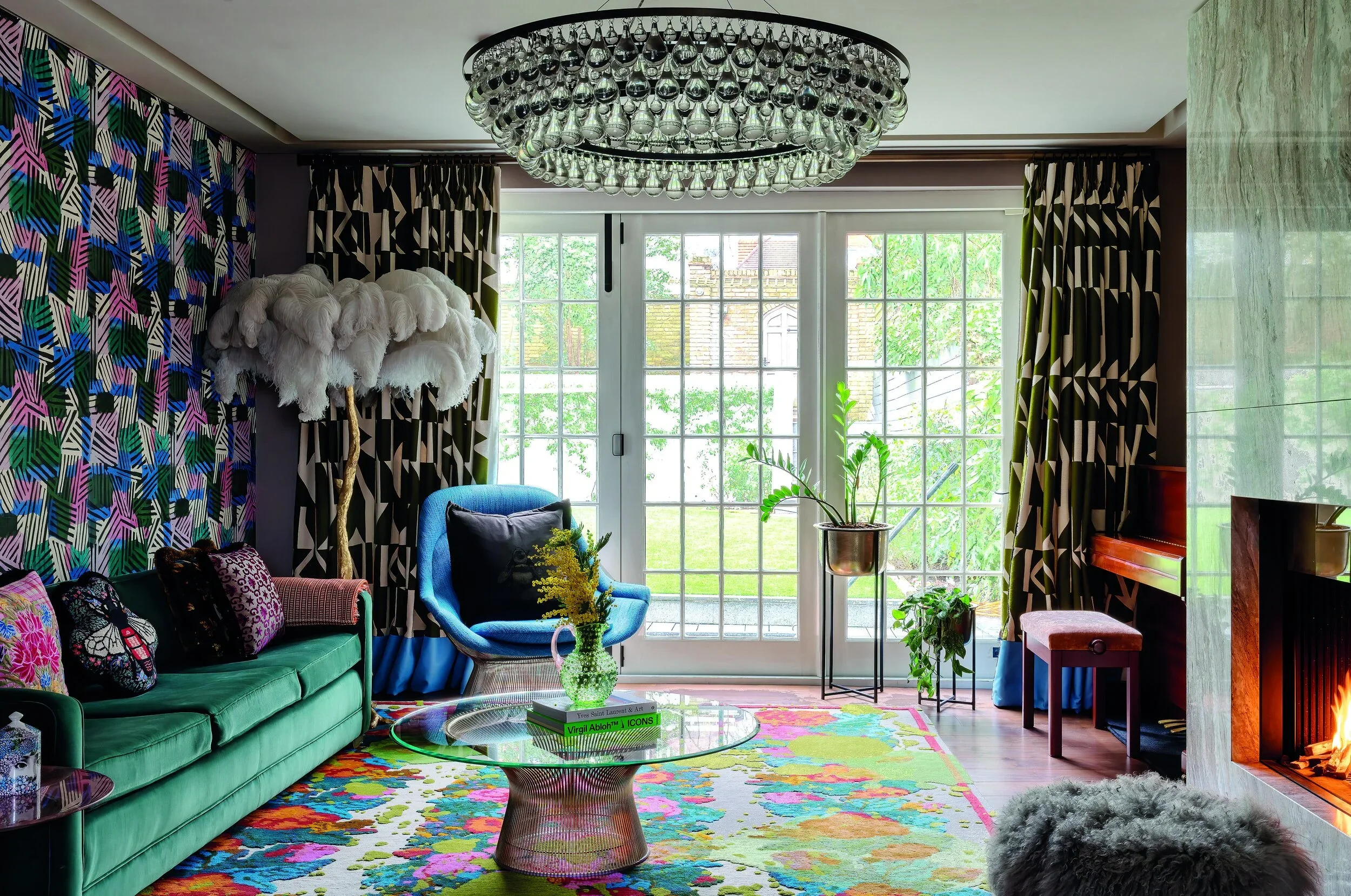
This approach also supports a more conscious relationship with design. A collected interior encourages people to keep meaningful pieces, invest in quality, appreciate craftsmanship, and allow a home to evolve over time. It moves away from constantly replacing décor to keep up with trends and toward spaces built through memory, travel, ritual, and personal choice.
There is something liberating about a home that does not apologize for personality. People should not have to remove colour, culture, emotion, or unusual taste in order for a space to feel luxurious. A home can celebrate heritage, creativity, queerness, family tradition, personal history, or simply a style that does not fit neatly into an online trend.
Minimalism will always have a place in interior design, especially when it is warm, thoughtful, and true to the person who lives there. But the idea that luxury requires sameness is fading. The return of expressive interiors signals a more human understanding of beauty: one that values emotion over perfection, individuality over imitation, and meaning over appearance.
The most luxurious home is no longer the one that looks perfectly styled for everyone else. It is the one that gives its owner the confidence and comfort to be completely themselves.