Digital Detox Culture
August 12, 2026 | FW Lifestyle | By: Kai Truong

https://medium.com/new-literary-society/three-books-you-dont-just-read-ca45ea808c6b
For years, modern luxury was associated with constant access. The newest phone, instant communication, endless entertainment, and the ability to connect from anywhere were presented as signs of convenience and success. Yet in 2026, being permanently reachable no longer feels entirely aspirational. When every moment can be interrupted by a notification and every quiet pause invites another scroll, the ability to disconnect begins to feel rare.
Digital detox culture is rooted in that rarity. It is not about abandoning technology or treating online life as entirely negative. Technology allows people to learn, work, create, and remain connected. The wellness question is whether people still feel able to choose when they are available, when they are watching, and when they are simply present. A digital detox is therefore less about disappearance and more about boundaries: choosing rest over constant reaction and personal time over continuous visibility.
The need for those boundaries has become increasingly clear. Many people wake up to alarms on their phones and immediately move into messages, emails, news, and social media. Throughout the day, work and leisure often blend together on the same screens. Even moments intended for rest can be filled with comparison, advertising, updates, and the subtle pressure to keep up. The body may be physically still, yet the mind remains in motion.
Wellness in the digital age requires attention to what continuously consumes our mental energy. Rest is difficult when there is always one more message to answer, one more trend to understand, or one more version of someone else’s life to compare against our own. This is why disconnection has begun to take on a luxury quality: it offers something that cannot be endlessly purchased or scrolled toward—peace of mind.
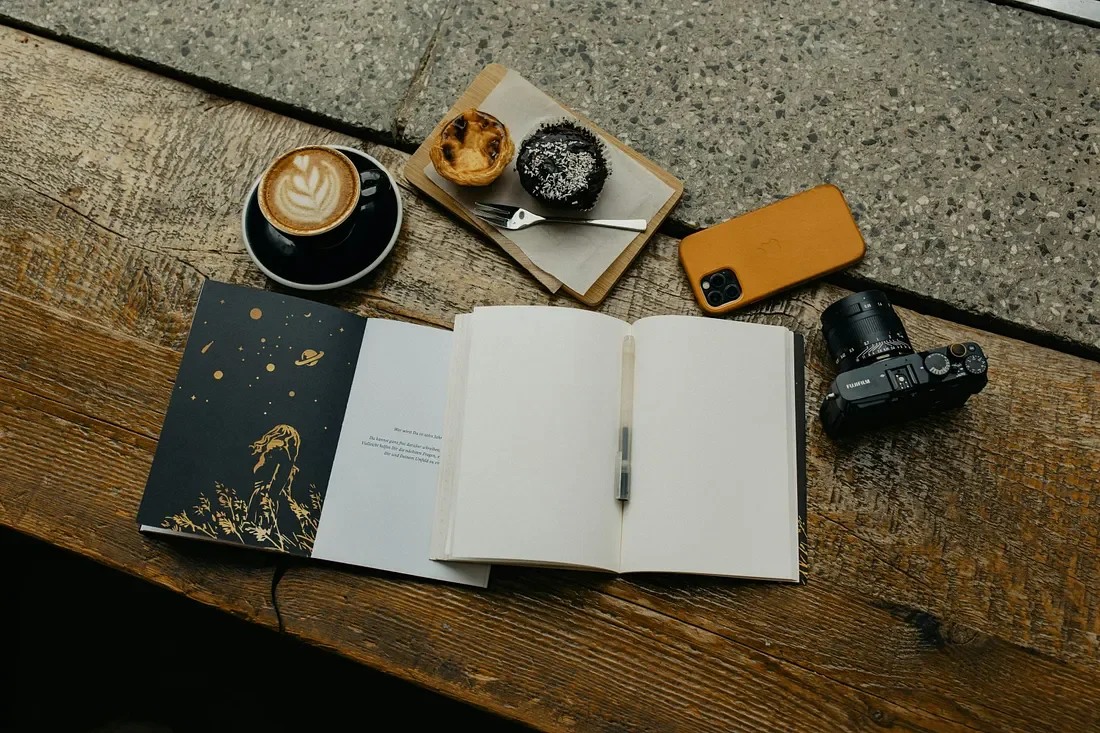
Offline rituals are becoming meaningful because they return people to their senses. Reading a printed book before bed, writing in a journal, preparing tea without reaching for a phone, taking a walk without headphones, using a film camera, or sharing a meal without devices can create small breaks from digital demand. These activities encourage patience, focus, privacy, and the ability to experience a moment without turning it into evidence for an audience.
https://medium.com/%40vkdang/the-24-hour-reset-challenge-1463b4a7c7e8
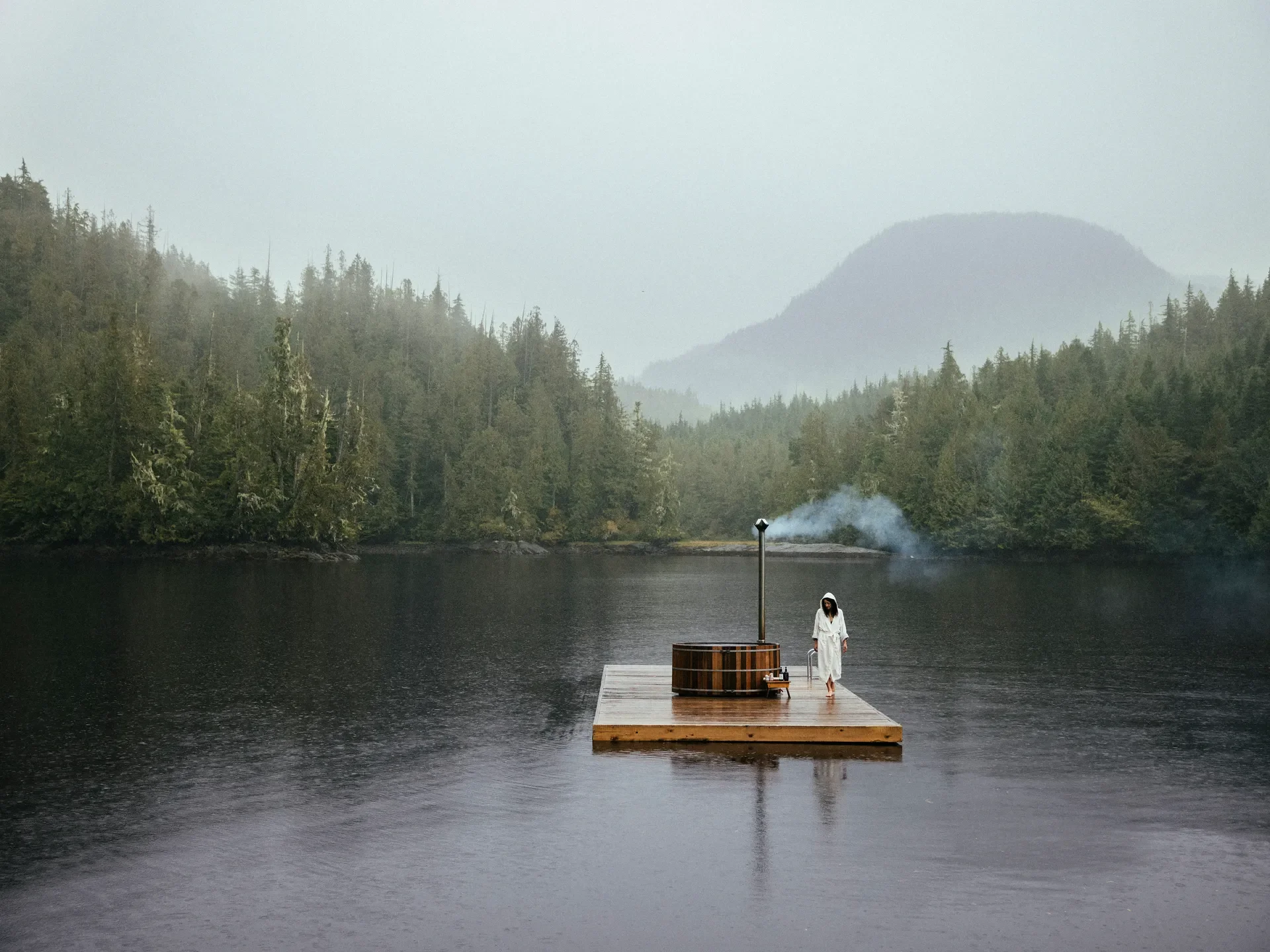
There is also a growing appeal in wellness travel that supports disconnection. A luxury getaway is no longer defined only by where someone travels or how exclusive the destination appears. It may be defined by what the experience allows them to release: the pressure to reply immediately, document every activity, or remain informed at all times. Retreats centered on silence, nature, meditation, spa rituals, sleep, movement, nourishment, and limited device use speak to a deeper desire for recovery. The most valuable amenity may be permission to become unavailable.
This desire is closely connected to privacy. Social media has encouraged people to make everyday life increasingly public: beauty routines, meals, holidays, outfits, relationships, purchases, and personal milestones can all become part of a visible identity. While sharing can be joyful and creative, constant exposure can also make life feel performative. Digital detox culture offers another definition of luxury: a beautiful moment that does not need to be shared in order to matter.
The value of disconnection is also emotional. Quiet time allows space for reflection, creativity, deeper conversation, and a clearer awareness of personal needs. Without constant outside input, people may begin to notice what actually makes them feel rested, inspired, or fulfilled. They can reconnect with interests that are not shaped by trends or approval. In this way, a digital detox is not merely about reducing screen time; it is about restoring a relationship with the self.
https://www.vogue.com/article/best-digital-detox-resorts
For luxury lifestyle brands, this movement creates a more thoughtful understanding of aspiration. The future of wellness is not simply more products, more appointments, or more perfectly curated routines. It is a lifestyle built around intention: knowing when to engage and when to pause. It is making room for slow mornings, uninterrupted meals, meaningful travel, restorative treatments, handwritten thoughts, and evenings that are not automatically spent online.